You must be signed in to read the rest of this article.
Registration on CDEWorld is free. Sign up today!
Forgot your password? Click Here!
Periodontitis is one of the most common chronic inflammatory diseases affecting adults and remains a leading cause of tooth loss worldwide. Although mechanical disruption of dysbiotic biofilm is the foundation of periodontal therapy, interest in adjunctive antibiotics has persisted because some patients present with severe disease, rapid progression, tissue-invasive pathogens, and/or residual deep pockets that do not respond predictably to debridement alone.5-7 At the same time, increasing concerns regarding antimicrobial resistance have narrowed the role of antibiotics from routine adjuncts to selective tools that should be used only when a meaningful clinical benefit is expected.
A key clinical question is not whether antibiotics can produce statistically significant improvements in periodontal outcomes, but rather when those improvements are clinically significant and justify their use and associated risks. Further, identification of ideal clinical scenarios and patient conditions which may most benefit from adjunctive antibiotic use during the delivery of periodontal care. This review focuses on practical indications for adjunctive antibiotic therapy, the microbiologic and host-related rationale supporting those indications, and the risks that must be weighed before prescribing antibiotics as part of periodontal treatment.
Periodontitis: Etiology and Disease Progression
Periodontitis is a chronic inflammatory disease characterized by progressive destruction of the periodontal ligament, cementum, and alveolar bone. The disease results from complex interactions between the subgingival microbial biofilm and the host immune response. Rather than being caused by a single pathogen, periodontitis develops due to oral dysbiosis, which plays a central role in the initiation and progression of periodontal diseases. An increased proportion of anaerobic Gram-negative bacteria, including Porphyromonas gingivalis (P. gingivalis), Tannerella forsythia (T. forsythia), Treponema denticola (T. denticola), and Aggregatibacter actinomycetemcomitans (A. actinomycetemcomitans), characterizes the transition from periodontal health to disease. Such microorganisms possess virulence factors that allow them to evade host defense mechanisms, invade periodontal tissues, and alter normal immune responses.
Host Inflammatory Response and Periodontal Disease Progression
The host inflammatory response plays an important role in the progression of periodontal disease. Although acute inflammation is generally viewed as a protective response against bacterial infection, chronic, excessive, or dysregulated immune reaction can lead to destruction of connective tissue and loss of alveolar bone. The release of pro-inflammatory mediators, including interleukins, tumor necrosis factor, prostaglandins, and matrix metalloproteinases, contributes to breakdown of collagen fibers and upregulation of osteoclastic resorption of supporting bone.
Understanding the relationship between dysbiotic biofilm and host-mediated tissue destruction is essential for accurate diagnosis and appropriate treatment of periodontal diseases. The current periodontal classification system incorporates staging and grading to reflect both the existing severity of tissue destruction and the estimated rate of future disease progression. Higher stage and grade classifications are often associated with increased local and systemic inflammatory burden and greater treatment complexity, which may influence the need for adjunctive therapeutic approaches to improve clinical outcomes.
Severity and Risk Assessment of Periodontitis
The current classification of periodontitis evaluates disease severity, treatment complexity, and risk of disease progression, allowing clinicians to more accurately categorize patients and determine appropriate therapy. By incorporating disease extent, severity, and risk assessment, the 2018 classification helps define current disease status, future risk, and likely response to treatments.6,8
In clinical practice, utilization of the 2018 classification can help direct dental healthcare professionals to the most effective treatment modalities. For example, as disease stage increases, treatment complexity also increases. Patients with Stage III and IV periodontitis frequently present with deep pockets, furcation involvement, vertical bone defects, and extensive attachment loss, which may limit the predictability of non-surgical therapy alone and may indicate need for advanced periodontal or multidisciplinary care.8,9 Further, patients with increasing grade often demonstrate more pronounced inflammatory response to similar etiologic agents. These patients may also show a higher prevalence of virulent pathogens, including A. actinomycetemcomitans and red-complex species, such as P. gingivalis, T. forsythia, and T. denticola.10,11 Patients with higher risk profiles may require closer monitoring, more intensive therapy, and, in selected cases, adjunctive antimicrobial support. Understanding both the diagnostic periodontitis stage and grade allows clinicians to individualize therapy with the goal of controlling infection, reducing inflammation, and improving long-term periodontal stability.7,8
Oral Dysbiosis: Considerations for Adjunctive Antibiotic Therapy
Oral dysbiosis is the primary etiologic factor in periodontal diseases and supports consideration of antimicrobial therapy as an adjunct to mechanical treatment in selected cases. Unlike many bacterial infections, periodontitis is not caused by a single pathogen but by dysbiotic biofilm, in which health-associated species decrease and pathogenic organisms become more dominant, promoting inflammation and destruction of supporting periodontal tissues.12,13
Within dysbiotic biofilm, several individual bacterial species have been consistently associated with periodontal disease progression. Among the best characterized are the Gram-negative anaerobes of the red complex (P. gingivalis, T. forsythia, T. denticola), which have been associated with deep pocket depth, progressive clinical attachment loss, and bleeding on probing.10,12,13 It is well-established that periodontal pathogens evade host immune response through many mechanisms and soft tissue invasion, complete elimination of the bacterial load is not always predictable with mechanical therapy alone.4,5,12,13 These residual periodontal pathogens may also recolonize periodontal pockets after therapy, which supports the potential benefits of adjunctive antimicrobial therapeutics in select patients.4,5
Key Microbial Targets for Adjunctive Antimicrobial Therapy in Periodontal Treatment
A. actinomycetemcomitans has been strongly associated with rapidly progressing forms of periodontitis, particularly Grade C molar-incisor pattern disease in younger patients. This organism can express virulence factors that impair host defense, promote tissue invasion, and contribute to rapid periodontal breakdown.11,14 Because Grade C molar-incisor pattern periodontitis begins around puberty may progress quickly and involve tissue-invasive pathogens, adjunctive systemic antibiotics have been investigated as a targeted strategy in selected cases.11,14
P. gingivalis is clinically relevant because reductions in red-complex pathogens have been associated with improved treatment outcomes after non-surgical therapy. Adjunctive systemic amoxicillin and metronidazole when administered during scaling and root planing significantly reduced microbial counts, including red-complex organisms, at 3 months post-treatment and reduced whole mouth probing depths compared with mechanical therapy alone; however, the microbiota partially rebounded by 6 months, underscoring the importance of ongoing periodontal maintenance.15 Reduction in keystone pathogens may be important for long-term outcomes because long-term studies of advanced periodontitis have shown that suppression of key pathogens after active therapy is associated with improved clinical stability, fewer residual deep pockets, and less disease recurrence during maintenance.4,16
Although microbial testing may not be warranted in all cases, understanding microbiologic profiles may help clinicians identify when adjunctive antimicrobial therapy could improve outcomes with mechanical periodontal treatment. Microbiologic assessment is therefore best reserved for selected cases with rapid disease progression or incomplete response to conventional therapy.4,7,11,14
Limitations of Mechanical Periodontal Therapy
Mechanical periodontal therapy, including scaling and root planing, is generally considered a primary treatment for periodontitis because it disrupts and removes subgingival biofilm. However, instrumentation may not eliminate pathogenic microorganisms predictably in deep periodontal pockets or at complex root anatomy. Calculus retention is most often seen after nonsurgical therapy at the cemento-enamel junction, root flutes, line angles, and furcation areas, and complete calculus removal becomes substantially less predictable as probing depth increases, particularly beyond 4 to 5 mm.17,18 These limitations have driven interest in adjunctive therapies that may enhance bacterial reduction and improve clinical outcomes when combined with thorough debridement.
Adjunctive Antibiotic Therapy
Systemic Antibiotics
Systemic antibiotics have been widely studied as adjuncts to mechanical therapy. The strongest evidence supports short-course amoxicillin plus metronidazole in patients with severe or rapidly progressing disease, although other regimens have also been studied.4,5,11,14 Benefits are not universal and do not justify routine prescribing; the greatest benefit appears in carefully selected patients with advanced disease, rapid progression, deep residual pockets, or microbiologic profiles suggestive of tissue-invasive pathogens.4,5,7
Local Antibiotic Therapy
Local antibiotic delivery systems provide site-specific antimicrobial activity directly within periodontal pockets. Agents such as minocycline microspheres, metronidazole gel, and doxycycline gel have been evaluated during scaling and root planing or at residual bleeding/deep sites after treatment. Such delivery allows high local drug concentrations while minimizing systemic exposure. Adjunctive local antibiotics during periodontal surgery improved clinical attachment level by 0.61 mm, probing depth reduction by 0.41 mm, and bleeding on probing in studies with follow-up of 6 months or less.19 Overall, the additional benefit of local therapy is generally modest and short-term.19,22
Host-Modulatory Effects of Antimicrobials
In addition to direct antimicrobial effects, certain antibiotics may influence the host inflammatory response. Commonly used periodontal antibiotics, particularly doxycyclines, may modulate neutrophil and macrophage activity, reduce pro-inflammatory cytokine signaling, and influence matrix metalloproteinase activity.20
Limitations of Antimicrobial Effects
Although adjunctive antibiotics may improve microbiological and clinical outcomes, they do not replace mechanical biofilm control. Periodontal diseases are biofilm-induced, and long-term stability still depends on disruption of the biofilm and control of local etiologic factors. Antibiotic therapy without adequate debridement is unlikely to provide durable benefit and may contribute to recurrence of infection or antimicrobial resistance.3,7 Antibiotics should therefore be considered only when there is a clear expectation of added clinical benefit. Overuse or inappropriate use increases the risk of adverse drug reactions and contributes to antimicrobial resistance.2,3
Clinical Impacts of Adjunctive Antibiotic Use
Adjunctive systemic and local antibiotics may enhance mechanical periodontal therapy after biofilm disruption. In a large systematic review and meta-analysis, adjunctive systemic antimicrobials produced statistically significant improvements in probing depth reduction and clinical attachment gain compared with mechanical therapy alone, although adverse events were more frequent in antibiotic groups.5 In Stage III/IV or Grade B/C periodontitis, adjunctive systemic antibiotics were associated with a higher rate of achieving “treat-to-target” endpoints of 4 or fewer sites with probing depths of 5 mm or greater at both short-term reevaluation (37% vs 27%) and long-term follow-up (63% vs 43%).14 Current EFP guidelines recommend considering systemic antibiotics based on patient characteristics rather than routine use for all cases.7,9
Treatment response to adjunctive antimicrobial therapy may not be uniform across periodontal conditions. Sethi et al.21 concluded that adjunctive systemic and local antibiotics generally produced greater additional benefit in chronic periodontitis than in peri-implantitis, and that among local agents used for peri-implantitis, minocycline showed the most consistent adjunctive benefit.
Adjunctive Antibiotic Use in Periodontal Surgery
Adjunctive antimicrobial therapy has also been evaluated in conjunction with periodontal surgery, but available evidence suggests that benefits are mainly early and incremental rather than transformative. In a systematic review and meta-analysis, adjunctive local antibiotics improved clinical attachment level by 0.61 mm and reduced probing depth by 0.41 mm in studies with follow-up of 6 months or less, while the quality of evidence remained limited and heterogeneous.19
Adjunctive Antibiotic Use in Grade C/Molar-Incisor Pattern Periodontitis
Grade C molar-incisor pattern periodontitis is characterized by rapid periodontal breakdown in younger patients with localization on the first permanent teeth to erupt (ie, first molars and incisors) and is often associated with highly virulent pathogens, especially A. actinomycetemcomitans.11 Because of its rapid progression and the likelihood of tissue-invasive pathogens, this condition is one of the clearest periodontal indications for adjunctive systemic antibiotics. Miguel et al.11 identified amoxicillin plus metronidazole as the best-supported regimen in young patients with C-MIP, while Benz et al.14 showed that antibiotic-supported therapy in advanced disease was associated with fewer deep residual pockets and better treat-to-target outcomes.
Acute Periodontal Conditions: Necrotizing Periodontal Diseases and Periodontal Abscesses
Necrotizing periodontal diseases and periodontal abscesses are acute periodontal conditions in which bacterial infection and host response can lead to rapid tissue destruction, pain, and inflammation. These entities require immediate local management, including debridement, drainage when indicated, and control of local contributing factors. In necrotizing periodontal diseases, systemic signs and symptoms such as fever, malaise, lymphadenopathy, or evidence of spreading infection may indicate a need for systemic antibiotics as adjuncts to local treatment; even in these cases, antibiotics should not replace definitive mechanical therapy.7
For periodontal abscesses specifically, drainage and debridement remain the primary treatment, but local antimicrobial delivery may be considered for selected isolated sites with persistent deep inflammation after acute symptoms are controlled, particularly when the goal is to limit systemic exposure while supporting local infection control.22
Timing and Clinical Application of Adjunctive Antibiotic Use in Periodontal Treatment
The timing of antibiotic administration may influence periodontal treatment outcomes. Although the timing of amoxicillin and metronidazole relative to scaling and root planing did not change overall 1-year clinical efficacy, starting antibiotics on the first day of mechanical debridement promoted a more rapid and favorable restructuring of the subgingival microbiota.23 Delayed administration may, therefore, offer less microbiologic advantage, even if longer-term clinical outcomes appear similar. Evidence supporting antibiotic use during periodontal maintenance therapy remains limited; in selected cases, local antimicrobials or subantimicrobial-dose doxycycline may be used to manage persistent inflammation or isolated residual pockets, but these approaches are adjuncts to supportive care rather than substitutes for maintenance, biofilm control, and regular recall visits.22
Antibiotic Stewardship in Periodontal Therapy
Antibiotic prescribing in periodontics must be viewed within broader dental prescribing patterns. Dentists account for about 10% of outpatient antibiotic prescriptions for humans, and 32.4% of surveyed US general dentists and periodontists reported prescribing systemic antibiotics with scaling and root planing; this was significantly more common among periodontal specialists compared to dentists overall (46.4% vs 18.7%, respectively).3,24 This may reflect greater disease severity or more systemic disease compromise in patients referred to receive care with periodontists compared to those seen in general dental offices or a fundamental difference in practices and treatment strategies between specialists and general dentists.24 Regardless of dental discipline or specialty designation, the use of antibiotics in periodontal therapy should always be balanced against potential risks, particularly antimicrobial resistance, adverse drug reactions, and microbiome disruption.1,3
Principles for Clinical Decision-Making
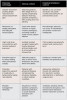
Clinical decision-making regarding antibiotic use should begin with careful diagnosis and assessment of disease severity, progression, and patient-specific risk factors. Antibiotics should be prescribed only when a clear clinical benefit is expected and when the evidence supports their use as an adjunct.7,9 Antibiotics should not be used universally with all patients or as substitutes for conventional periodontal treatment. When indicated, adjunctive antibiotics should be combined with appropriate mechanical or surgical therapy to address the underlying biofilm and local contributing factors, thereby maximizing treatment effectiveness while reducing unnecessary antibiotic exposure.2,3 Table 1 highlights factors to consider when prescribing adjunctive antibiotics during periodontal treatment.
Recommendations for Collaborative Care
Role of Collaboration Within the Dental Treatment Team
The team within a general dental clinic plays an important role in early diagnosis and management of periodontal disease through periodontal examinations, recognition of attachment loss and pocketing, oral hygiene instruction, non-surgical care, and reassessment of treatment response. General dentists and/or dental hygienists are also often the first to identify patients who may benefit from adjunctive antibiotic therapy based on severity, progression, and overall clinical presentation.7,8
Collaboration with Periodontists
Collaboration with periodontists is essential in the management of advanced or rapidly progressing periodontal disease. Patients with Stage III or IV periodontitis, Grade C progression, persistent deep pockets, or complex anatomical defects may require specialist evaluation, advanced treatment, and more intensive supportive care.7,9
Patients as Copractitioners
Patient education and collaboration are critical components of successful periodontal therapy. Patients must understand the importance of effective oral hygiene and compliance with recommended maintenance intervals, since long-term stability depends on supportive care after active therapy. Poor compliance is associated with increased risk of disease progression and tooth loss.25,26
Conclusions
Adjunctive antibiotic therapy may provide additional clinical benefit in selected cases of inflammatory periodontal disease, particularly in patients with advanced destruction, rapidly progressing disease, or microbial and clinical features that may limit the effectiveness of mechanical therapy alone. Current evidence favors systemic amoxicillin plus metronidazole in carefully selected patients with severe or rapidly progressing periodontitis, whereas local antimicrobials appear to provide more modest and mainly short-term benefits and are best suited for isolated residual sites after active periodontal therapy.4,5,19
Successful management of inflammatory periodontal disease requires an individualized, evidence-based approach that integrates accurate diagnosis, appropriate non-surgical and surgical therapy, patient education, and long-term supportive care. When used responsibly and in the proper clinical context, adjunctive antibiotics may be a valuable part of periodontal therapy, but they remain adjuncts rather than substitutes for mechanical biofilm control.2,3
Queries to the authors regarding this course may be submitted to authorqueries@aegisdental.com.
References
1. Centers for Disease Control and Prevention. Antibiotic Resistance Threats in the United States, 2019. US Department of Health and Human Services; 2019.
2. Fluent MT, Jacobsen PL, Hicks LA. Considerations for responsible antibiotic use in dentistry. J Am Dent Assoc. 2016;147(8):683-686.
3. FDI World Dental Federation. Antibiotic stewardship in dentistry. Published September 2019. https://www.fdiworlddental.org/resources/policy-statements/antibiotic-stewardship-in-dentistry
4. Feres M, Figueiredo LC, Soares GMS, Faveri M. Systemic antibiotics in the treatment of periodontitis. Periodontol 2000. 2015;67(1):131-186.
5. Teughels W, Feres M, Oud V, Martín C, Matesanz P, Herrera D. Adjunctive effect of systemic antimicrobials in periodontitis therapy: a systematic review and meta-analysis. J Clin Periodontol. 2020;47(suppl 22):257-281.
6. Papapanou PN, Sanz M, Buduneli N, et al. Periodontitis: consensus report of workgroup 2 of the 2017 World Workshop on the Classification of Periodontal and Peri-Implant Diseases and Conditions. J Clin Periodontol. 2018;45(suppl 20):S162-S170.
7. Sanz M, Herrera D, Kebschull M, et al. Treatment of stage I-III periodontitis—the EFP S3 level clinical practice guideline. J Clin Periodontol. 2020;47(suppl 22):4-60.
8. Tonetti MS, Greenwell H, Kornman KS. Staging and grading of periodontitis: framework and proposal of a new classification and case definition. J Periodontol. 2018;89(suppl 1):S159-S172.
9. Herrera D, Sanz M, Kebschull M, et al. Treatment of stage IV periodontitis: the EFP S3 level clinical practice guideline. J Clin Periodontol. 2022;49(suppl 24):4-71.
10. Socransky SS, Haffajee AD, Cugini MA, Smith C, Kent RL Jr. Microbial complexes in subgingival plaque. J Clin Periodontol. 1998;25(2):134-144.
11. Miguel MMV, Santamaria MP, Casarin RCV, Stolf CS, Branco-de-Almeida LS, Shaddox LM. Antibiotics in the treatment of young patients with molar-incisor pattern periodontitis (C-MIP). Periodontol 2000. Published online 2025. doi:10.1111/prd.70004
12. Meyle J, Chapple I. Molecular aspects of the pathogenesis of periodontitis. Periodontol 2000. 2015;69(1):7-17.
13. Hajishengallis G, Chavakis T, Lambris JD. Current understanding of periodontal disease pathogenesis and targets for host-modulation therapy. Periodontol 2000. 2020;84(1):14-34.
14. Benz L, Winkler P, Dannewitz B, Nickles K, Petsos H, Aldiri T, et al. Additional benefit of systemic antibiotics in subgingival instrumentation of stage III and IV periodontitis with Aggregatibacter actinomycetemcomitans: a retrospective analysis. J Clin Periodontol. 2023;50(5):684-693.
15. Lu H, He L, Jin D, Zhu Y, Meng H. Effect of adjunctive systemic antibiotics on microbial populations compared with scaling and root planing alone for the treatment of periodontitis: a pilot randomized clinical trial. J Periodontol. 2022;93(4):570-583.
16. Berglundh T, Krok L, Liljenberg B, Westfelt E, Serino G, Lindhe J. The use of metronidazole and amoxicillin in the treatment of advanced periodontal disease. A prospective, controlled clinical trial. J Clin Periodontol. 1998;25(5):354-362.
17. Caffesse RG, Sweeney PL, Smith BA. Scaling and root planing with and without periodontal flap surgery. J Clin Periodontol. 1986;13(3):205-210.
18. Cobb CM. Clinical significance of non-surgical periodontal therapy: an evidence-based perspective of scaling and root planing. J Clin Periodontol. 2002;29(suppl 2):6-16.
19. Yusri S, Elfana A, Elbattawy W, Fawzy El-Sayed KM. Effect of locally delivered adjunctive antibiotics during surgical periodontal therapy: a systematic review and meta-analysis. Clin Oral Investig. 2021;25(9):5127-5138.
20. Suárez LJ, Arce RM, Furquim CP, Gonçalves C, Kantarci A, Feres M, et al. Antibiotic-mediated immune modulation in periodontitis. Periodontol 2000. Published online 2025. doi:10.1111/prd.70011
21. Sethi G, Grover V, Gupta J, Jain A. Response to adjunctive antibiotic therapy along with nonsurgical periodontal therapy in the treatment of peri-implantitis and chronic periodontitis patients: an exploratory review. J Indian Soc Periodontol. 2024;28(4):393-406.
22. Figuero E, Serrano J, Arweiler NB, Auschill TM, Gürkan A, Emingil G. Supra- and subgingival application of antiseptics or antibiotics during periodontal therapy. Periodontol 2000. Published online 2023. doi:10.1111/prd.12511
23. Fermiano D, de Souza Oliveira E, Mestnik MJ, et al. Does timing of systemic antibiotics influence periodontal treatment outcomes? A randomized clinical trial. J Periodontol. Published online 2026. doi:10.1002/JPER.70057
24. Ioannidou E, Geurs N, Lipman R, et al. Antibiotic use patterns by dental practitioners in the management of periodontal diseases. J Periodontol. 2022;93(8):1149-1158.
25. Matuliene G, Pjetursson BE, Salvi GE, Schmidlin K, Brägger U, Zwahlen M. Influence of residual pockets on progression of periodontitis and tooth loss: results after 11 years of maintenance. J Clin Periodontol. 2008;35(8):685-695.
26. Farina R, Simonelli A, Rizzi A, Pramstraller M, Cucchi A, Trombelli L, et al. Tooth loss in complying and non-complying periodontitis patients with different periodontal risk levels during supportive periodontal care. J Clin Periodontol. 2021;48(3):371-381.