You must be signed in to read the rest of this article.
Registration on CDEWorld is free. Sign up today!
Forgot your password? Click Here!
Periodontal disease is estimated to affect 42.5% of the US population over 30 years old—approximately 64.7 million people.1 In periodontitis, oral dysbiosis triggers an upregulated host immune-inflammatory response and, in many cases, chronic inflammation with destruction of hard and soft tissues supporting teeth.2 While bacteria and bacterial toxins initiate disease, the severity and rate of progression depend largely on the host immune-inflammatory response.3,4 Early bacterial colonizers, typically Gram-positive aerobic species, cause a non-specific inflammatory response, ie, gingivitis, that is reversible with effective biofilm removal.2 In susceptible individuals, as undisturbed biofilm matures, Gram-negative facultative and strict anaerobes accumulate.5 These organisms impact the overall biofilm, favoring pathogenic anaerobic species.4 While keystone pathogens may exist within the biofilm in low abundance, their virulence factors can cause dysregulation in host immune responses and promote further microbial dysbiosis, accelerating host immune-inflammatory response and periodontal inflammation.6 As dysbiosis increases, the subsequent upregulated host response results in amplification of inflammation, initiating a cycle of microbial and host alterations culminating in periodontal tissue destruction.2 Treatment aimed at alteration of pathogenic bacterial load and host immune response is essential in limiting periodontal destruction.
Most periodontal therapies focus on removal of pathogenic biofilm through mechanical debridement, with or without surgical access, and establishment of conditions favorable for effective patient-delivered plaque control.6 Nonsurgical periodontal therapy, including scaling and root planing (SRP), is effective in reducing probing depths and improving clinical attachment; however, its predictability depends on site-, patient-, and clinician-related factors,7-9 resulting in heterogeneity in clinical response to standardized therapy. These factors include clinician experience, patient compliance with at-home oral hygiene techniques, and individual site- and patient-level risk factors.7-9
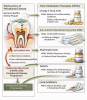
Given the central role of the host immune response in periodontal pathogenesis, adjunctive host modulation therapy (HMT) has been used to enhance nonsurgical outcomes.6 HMT is broadly categorized into: (1) inhibition/resolution therapy and (2) anti-collagenolytic therapy.6 HMT aims to modulate the host immune-inflammatory response to reduce tissue destruction and stabilize the periodontium by regulating inflammatory and collagenolytic host responses (Figure 1). HMT approaches resolution of periodontal disease from a complementary aspect of disease progression to therapies focused on disruption of dysbiotic biofilm.6 It is used strictly as an adjunct—never as a monotherapy—to nonsurgical and/or surgical periodontal therapy.
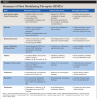
Pharmacologic agents investigated or used for HMT include systemically delivered medications, such as sub-antimicrobial dose doxycycline (SDD), nonsteroidal anti-inflammatory drugs (NSAIDs), bisphosphonates, and statins, as well as resolvins and locally delivered agents.6 These therapies are discussed below and outlined in Table 1.
Current Commonly Used Host Modulation Therapies
Sub-Antimicrobial Dose Doxycycline
SDD inhibits host collagenases—specifically matrix metalloproteinases (MMPs)—via zinc and calcium cation chelation, scavenging reactive oxygen species, and reducing activation of pro-MMPs.10 SDD may upregulate collagen synthesis, osteoblastic activity, and bone formation.11 SDD (20 mg twice daily) downregulates collagenase activity without inducing antimicrobial resistance or significant adverse effects.3
Clinical trials report statistically significant whole-mouth probing depth (PD) reduction of an average of 0.3 mm to 0.6 mm and clinical attachment level (CAL) gains of 0.5 mm when SDD is used adjunctively with SRP compared to SRP alone, particularly in sites with moderate (4 mm to 6 mm) and deep (≥7 mm) baseline PD.12 SDD has also been shown to reduce alveolar bone loss at sites with PD ≥5 mm.11
Indications for adjunctive SDD use include patients with periodontitis recalcitrant to treatment, individuals who smoke, medically compromised patients, and individuals with initial sites with PD ≥7 mm.13 Although SDD produces measurable improvements, absolute clinical gains are modest for all patients studied, and long-term compliance may be challenging.6 Because of this, SDD is often used in patients who demonstrate high levels of susceptibility and/or inflammatory response to low to moderate plaque and/or who have other inflammatory conditions.6,13 Compliance with treatment should be considered when selecting candidates for adjunctive SDD use. SDD is currently approved by the US Food and Drug Administration to be taken for at least 3 months and up to 24 months as an adjunct to nonsurgical periodontal therapy.14
Nonsteroidal Anti-Inflammatory Drugs
NSAIDs modulate host response through inhibition of cyclooxygenase (COX) enzymes and reduction of prostaglandin-mediated inflammation and bone resorption.3 Short-term reductions in gingival inflammation and disease progression have been observed with NSAID use; however, long-term use may be limited by systemic adverse effects.6 Prolonged standard-dose NSAID therapy increases the risk of renal, cardiovascular, gastrointestinal, and hepatic complications,6 and COX-1 inhibition can lead to gastric mucosal ischemia and ulceration.3 Due to modest benefits and safety concerns, standard-dose NSAIDs are not recommended for long-term host modulation in periodontitis. Low-dose (81 mg to 325 mg) aspirin has been associated with improved PDs and CALs.15 In particular, adjunctive benefits have been demonstrated for individuals who have increased inflammatory burden, such as those who smoke.16,17 Low-dose aspirin is often recommended for long-term management of cardiovascular disease with no significant systemic contraindications, suggesting potential for long-term use in selected patients already indicated for aspirin therapy.15
Bisphosphonates
Bisphosphonates are anti-catabolic antiresorptive agents that bind hydroxyapatite and inhibit osteoclast recruitment and activity.3 While they are often used for the treatment of osteoporosis and osteopenia, bisphosphonate use for adjunctive periodontal treatment has been proposed based on the ability of these drugs to preserve alveolar bone and suppress inflammatory bone loss. In vitro studies demonstrate bisphosphonate downregulation of MMP activity and osteoclast function,3 but meta-analyses have failed to show significant probing depth reduction following local bisphosphonate application.18 Use of systemic antiresorptive medications as an adjunct to periodontal therapy has been shown to improve periodontal clinical parameters, particularly in postmenopausal women and patients with type 2 diabetes mellitus.19,20 Risk of medication-related osteonecrosis of the jaw and limited long-term follow-up prevents clinical recommendations for widespread use for periodontal indications. Given inconsistent evidence, bisphosphonates are not currently recommended as standard HMT, although localized applications may warrant further investigation.
Statins
Statins are lipid-lowering agents that inhibit 3-hydroxy-3-methylglutaryl coenzyme A (HMG-CoA) reductase and possess pleiotropic effects, including anti-inflammatory and bone-modulatory properties.21 Statins also increase bone morphogenic protein-2 (BMP-2) expression, stimulate osteoblast differentiation, and reduce MMP activity.22 Further, statins may attenuate periodontal inflammation by decreasing interleukin (IL)-1β and increasing IL-10 in gingival crevicular fluid.22
Localized statin gel application achieves a higher drug concentration at the site of delivery and is not subject to first-pass hepatic drug metabolism, potentially making localized application preferred clinically for periodontal applications.23 Meta-analyses report modest but significant PD reduction and CAL gain with statin gel adjunctive therapy.18,22 Statin gels’ use in intrabony defects with PD ≥5 mm and vertical bone loss ≥3 mm has been associated with increased radiographic bone fill and PD reduction, although further studies are required before clinical adoption can become routine.22 Investigations of dentifrice containing statin medications may also demonstrate benefits for periodontal disease treatment and/or prevention.24
Local Antibiotics
Local antibiotic delivery allows targeted placement of antimicrobial agents via gels, fibers, or microspheres, reducing systemic exposure.18 Tetracycline- and macrolide-containing microspheres and/or gels have demonstrated short-term PD reduction, whereas metronidazole gels have not shown significant benefit beyond SRP alone.18 Minocycline microspheres provide both antimicrobial and host-modulatory effects through MMP inhibition, yielding improved clinical outcomes.25 Limitations include drug retention, stability, and release duration.18
Local antibiotics are indicated for localized, refractory sites following nonsurgical therapy.26 These drugs are delivered per site, which may not be economical for use in generalized periodontitis cases but supports their use for specific sites when indicated. The use of local antibiotics cannot compensate for inadequate plaque control or mechanical debridement.27 Moreover, local antibiotic delivery without nonsurgical therapy can result in consistently worse periodontal parameters than nonsurgical care alone, so such treatments should not be used as monotherapy.28
Emerging Technologies for Host Modulation Therapy
Omega-3 Fatty Acids
Omega-3 fatty acids are essential dietary polyunsaturated fatty acids (PUFAs) that are incorporated into cell membranes and influence inflammatory signaling pathways. They are found in salmon, chia seeds, walnuts, and canola oil.29 As omega-3 PUFAs incorporate into the cell membrane, the altered membrane composition shifts downstream lipid mediator production toward a less pro-inflammatory profile.29
Omega-3 PUFAs exhibit anti-inflammatory properties and contribute to resolution of inflammation.6,30 Clinical studies report reduced periodontal pathogen counts and decreased levels of tumor necrosis factor (TNF)-α and IL-1β when used adjunctively with nonsurgical therapy.6,12
Omega-3 supplementation appears safe and may provide adjunctive benefit as an adjunct to SRP.31 Considered dietary host modulation, omega-3 PUFAs are available as over-the-counter supplements and commonly found in foods. Specific indications for omega-3 PUFAs include patients with increased systemic inflammatory burden, such as type 2 diabetes mellitus, rheumatoid arthritis, and cardiovascular disease.32,33
Probiotics
Probiotics are live microorganisms, which, when administered in adequate amounts, confer a health benefit on the host by modulating microbial ecology and host immune responses.34 Probiotics, particularly Lactobacillus reuteri, have been investigated as adjuncts to periodontal therapy.35 Probiotics downregulate inflammatory cytokines, reduce neutrophil hyper-responsiveness, and reduce periodontal pathogens’ ability to colonize subgingival niches.34,36
Adjunctive probiotic use has been shown to decrease the number of disease-associated species while increasing the proportion of eubiotic bacteria.12,22 It has been shown to improve bleeding on probing (BOP), plaque index, PD, and CAL at 3 months, with sustained benefits reported up to 12 months.12,22 Despite heterogeneous outcomes, probiotics represent a promising noninvasive adjunct and warrant further research.
Resolvins
Pro-resolving mediators, or resolvins, are derived from omega-3 or omega-6 fatty acids that promote resolution of inflammation through a lipoxin pathway.6 They inhibit neutrophil chemotaxis, suppress pro-inflammatory mediators, and promote macrophage polarization toward a pro-resolution phenotype.2 Other anti-inflammatory agents work by suppressing the inflammatory cascade while resolvins activate intrinsic pro-resolving pathways that physiologically terminate inflammation and facilitate tissue repair.37
Animal models have demonstrated reversal of established periodontitis and promotion of periodontal regeneration.2 Notably, because lipoxins are derived from arachidonic acid, the use of omega-3 PUFAs with low-dose NSAID therapy has been suggested as a beneficial adjunct to periodontal therapy.38 While human trials remain limited, resolvins may represent a paradigm shift in periodontal therapy.
Metformin
Metformin exhibits osteogenic and anti-inflammatory effects and is under investigation as an adjunctive periodontal therapy.39 Adjunctive systemic metformin therapy in non-diabetic patients demonstrated improvements in residual PDs and reduction in BOP, likely via modulation of systemic inflammation.40 Localized metformin gel application was also shown to significantly reduce PDs and achieve gain in CALs when combined with SRP.22 Administration of metformin has demonstrated enhanced periodontal regeneration in animal models via IL-1β suppression.41 Further clinical trials are required to establish definitive indications.
Clinical Implications
HMT represents an important adjunct to nonsurgical periodontal therapy by modifying host inflammatory responses. While nonsurgical periodontal therapy and subsequent surgical treatment, if necessary, remain the cornerstone of treatment, adjunctive HMT may improve inflammation control, attachment stability, and bone preservation.12 Such adjunctive benefits may be particularly impactful in patients who demonstrate high levels of systemic inflammation due to genetic susceptibility, severe disease, and/or concomitant systemic inflammatory conditions. HMT should complement—not replace—mechanical periodontal therapy,42 and it can support a shift toward precision periodontics where host-directed strategies are individualized based on genomics and advanced diagnostic tools.43
Conclusion
Current and emerging HMT strategies used as a complement to conventional periodontal therapy offer opportunities to reduce destructive inflammation, limit connective tissue and bone loss, and promote resolution of periodontal disease. Careful patient selection and individualized risk assessment are essential. As research advances, host-directed therapies may play an increasingly important role in precision periodontal care while remaining adjunctive to effective biofilm control.
ABOUT THE AUTHORS
Mary Agnes Mestayer, DMD
Periodontology Resident, University of Alabama at Birmingham School of Dentistry, Birmingham, Alabama
Farahnaz Fahimipour, DMD, PhD, MS
Assistant Professor, Department of Periodontology, University of Alabama at Birmingham School of Dentistry, Birmingham, Alabama; Diplomate, American Board of Periodontology
Maria L. Geisinger, DDS, MS
Professor and Chair, Kent and Phoebe Endowed Professor in Periodontology, Director, Advanced Education in Periodontology, Department of Periodontology, University of Alabama at Birmingham School of Dentistry, Birmingham, Alabama; Diplomate, American Board of Periodontology
Queries to the author regarding this course may be submitted to authorqueries@conexiant.com.
REFERENCES
1. Eke PI, Thornton-Evans GO, Wei L, et al. Periodontitis in US adults: National Health and Nutrition Examination Survey 2009–2014. J Am Dent Assoc. 2018;149(7):576-588.e6.
2. Van Dyke TE, Sima C. Understanding resolution of inflammation in periodontal diseases: is chronic inflammatory periodontitis a failure to resolve? Periodontol 2000. 2019;82(1):205-213.
3. Salvi GE, Lang NP. Host response modulation in the management of periodontal diseases. J Clin Periodontol. 2005;32(suppl 6):108-129.
4. Socransky SS, Haffajee AD, Cugini MA, et al. Microbial complexes in subgingival plaque. J Clin Periodontol. 1998;25(2):134-144.
5. Abdulkareem AA, Al-Taweel FB, Al-Sharqi AJB, et al. Current concepts in the pathogenesis of periodontitis: from symbiosis to dysbiosis. J Oral Microbiol. 2023;15(1):2197779.
6. Donos N, Calciolari E, Brusselaers N, et al. The adjunctive use of host modulators in non-surgical periodontal therapy. A systematic review of randomized, placebo-controlled clinical studies. J Clin Periodontol. 2019;47(suppl 22):199-238.
7. Cobb CM. Clinical significance of non-surgical periodontal therapy: an evidence-based perspective of scaling and root planing. J Clin Periodontol. 2002;29(suppl 2):6-16.
8. Graziani F, Karapetsa D, Alonso B, Herrera D. Nonsurgical and surgical treatment of periodontitis: how many options for one disease? Periodontol 2000. 2017;75(1):152-188.
9. Van der Weijden GA, Timmerman MF. A systematic review on the clinical efficacy of subgingival debridement in the treatment of chronic periodontitis. J Clin Periodontol. 2002;29(suppl 3):55-71.
10. Golub LM, Lee HM, Ryan ME, et al. Tetracyclines inhibit connective tissue breakdown by multiple non-antimicrobial mechanisms. Adv Dent Res. 1998;12(2):12-26.
11. Golub LM, Lee HM. Periodontal therapeutics: current host-modulation agents and future directions. Periodontol 2000. 2020;82(1):186-204.
12. Corbella S, Calciolari E, Alberti A, et al. Systematic review and meta-analysis on adjunctive host immune modulators in non-surgical periodontal treatment in healthy and systemically compromised patients. Sci Rep. 2021;11(1):12125.
13. Preshaw PM, Hefti AF, Jepsen S, et al. Subantimicrobial dose doxycycline as adjunctive treatment for periodontitis. A review. J Clin Periodontol. 2004;31(9):697-707.
14. Caton J, Ryan ME. Clinical studies on the management of periodontal diseases utilizing subantimicrobial dose doxycycline (SDD). Pharmacol Res. 2011;63(2):114-120.
15. Geisinger ML, Holmes CM, Vassilopoulos PJ, et al. Adjunctive treatment of chronic periodontitis with systemic low-dose aspirin therapy. Clin Adv Periodontics. 2012;2(3):195-199.
16. Shiloah J, Bland PS, Scarbecz M, et al. The effect of long-term aspirin intake on the outcome of non-surgical periodontal therapy in smokers: a double-blind, randomized pilot study. J Periodontal Res. 2014;49(1):102-109.
17. Drouganis A, Hirsch R. Low-dose aspirin therapy and periodontal attachment loss in ex- and non-smokers. J Clin Periodontol. 2001;28(1):38-45.
18. Gegout PY, Stutz C, Huck O. Gels as adjuvant to non-surgical periodontal therapy: a systematic review and meta-analysis. Heliyon. 2023;9(7):e17789.
19. Rocha M, Nava LE, Vázquez de la Torre C, et al. Clinical and radiological improvement of periodontal disease in patients with type 2 diabetes mellitus treated with alendronate: a randomized, placebo-controlled trial. J Periodontol. 2001;72(2):204-209.
20. Rocha ML, Malacara JM, Sánchez-Marín FJ, et al. Effect of alendronate on periodontal disease in postmenopausal women: a randomized, placebo-controlled trial. J Periodontol. 2004;75(12):1579-1585.
21. Liao JK, Laufs U. Pleiotropic effects of statins. Annu Rev Pharmacol Toxicol. 2005;45:89-118.
22. Tahamtan S, Shirban F, Bagherniya M, et al. The effects of statins on dental and oral health: a review of preclinical and clinical studies. J Transl Med. 2020;18(1):155.
23. Granat MM, Eifler-Zydel J, Kolmas J. Statins—their role in bone tissue metabolism and local applications with different carriers. Int J Mol Sci. 2024;25(4):2378.
24. Rosenberg DR, Andrade CX, Chaparro AP, et al. Short-term effects of 2% atorvastatin dentifrice as an adjunct to periodontal therapy: a randomized double-masked clinical trial. J Periodontol. 2015;86(5):623-630.
25. Bland PS, Goodson JM, Gunsolley JC, et al. Association of antimicrobial and clinical efficacy: periodontitis therapy with minocycline microspheres. J Int Acad Periodontol. 2010;12(1):11-19.
26. Mombelli A, Samaranayake LP. Topical and systemic antibiotics in the management of periodontal diseases. Int Dent J. 2004;54(1):3-14.
27. American Academy of Periodontology statement on local delivery of sustained or controlled release antimicrobials as adjunctive therapy in the treatment of periodontitis. J Periodontol. 2006;77(8):1458.
28. Suvan J, Needleman I, Moles DR, Tonetti M. Cochrane Oral Health Group. Local delivery antimicrobials for chronic periodontitis. Cochrane Database Syst Rev. 2015;CD004939.
29. Mititelu M, Lupuliasa D, Neacșu SM, et al. Polyunsaturated fatty acids and human health: a key to modern nutritional balance in association with polyphenolic compounds from food sources. Foods. 2024;14(1):46.
30. Lee CT, Tribble GD. Roles of specialized pro-resolving mediators and omega-3 polyunsaturated fatty acids in periodontal inflammation and impact on oral microbiota. Front Oral Health. 2023;4:1217088.
31. Miroult C, Lasserre J, Toma S. Effects of omega-3 as an adjuvant in the treatment of periodontal disease: a systematic review and meta-analysis. Clin Exp Dent Res. 2023;9(4):545-556.
32. El-Sharkawy H, Aboelsaad N, Eliwa M, et al. Adjunctive treatment of chronic periodontitis with daily dietary supplementation with omega-3 fatty acids and low-dose aspirin. J Periodontol. 2010;81(11):1635-1643.
33. Rosenstein ED, Kushner LJ, Kramer N, Kazandjian G. Pilot study of dietary fatty acid supplementation in the treatment of adult periodontitis. Prostaglandins Leukot Essent Fatty Acids. 2003;68(3):213-218.
34. Teughels W, Van Essche M, Sliepen I, Quirynen M. Probiotics and oral healthcare. Periodontol 2000. 2008;48:111-147.
35. Gruner D, Paris S, Schwendicke F. Probiotics for managing caries and periodontitis: systematic review and meta-analysis. J Dent. 2016;48:16-25.
36. Vivekananda MR, Vandana KL, Bhat KG. Effect of the probiotic Lactobacilli reuteri (Prodentis) in the management of periodontal disease: a preliminary randomized clinical trial. J Oral Microbiol. 2010;2. doi: 10.3402/jom.v2i0.5344.
37. Serhan CN. Pro-resolving lipid mediators are leads for resolution physiology. Nature. 2014;510(7503):92-101.
38. Lee CT, Teles R, Kantarci A, et al. Resolvin E1 reverses experimental periodontitis and dysbiosis. J Immunol. 2016;197(7):2796-2806.
39. Jiating L, Buyun J, Yinchang Z. Role of metformin on osteoblast differentiation in type 2 diabetes. BioMed Res Int. 2019;2019:9203934.
40. Neves VCM, Satie Okajima L, Elbahtety E, et al. Repurposing metformin for periodontal disease management as a form of oral-systemic preventive medicine. J Transl Med. 2023;21(1):655.
41. Wang Z, Song JH, Kim JW, et al. Metformin reverses periodontal destruction caused by experimental periodontitis by inhibiting interleukin-1β activity. J Periodontol. 2025;96(11):1257-1270.
42. Dewanjee P, Gogoi A, Srivastava SK, et al. Host modulation in periodontology: redefining therapy beyond scaling and root planing. Cureus. 2025;17(10):e93880.
43. Dipalma G, Inchingolo AM, Inchingolo F, et al. The precision paradigm in periodontology: a multilevel framework for tailored diagnosis, treatment, and prevention. J Pers Med. 2025;15(9):440.