You must be signed in to read the rest of this article.
Registration on CDEWorld is free. Sign up today!
Forgot your password? Click Here!
In recent years, the use of implants to replace teeth has grown in popularity both in the US and globally. Dental implants allow rehabilitation of health, function, and esthetics and provide oral health related quality of life and increased confidence compared to other tooth replacement solution.3,4 According to the American Dental Association, more than 5 million dental implants are placed annually by dentists in the United States.1 Further, more than 36 million Americans do not have any teeth, and 120 million people in the U.S. are missing at least one tooth, indicating potential future growth for dental implant therapy.3 The number of patients with partial or complete edentulism is also expected to grow in the next two decades.2
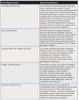
Dental implants are considered predictable dental treatments. However, with the marked increase in implant placement and their expanding use for tooth replacement, the incidence of peri-implant diseases—particularly inflammatory biologic complications such as peri-implant mucositis and peri-implantitis—is expected to rise. Such conditions negatively impact patient quality of life, esthetics, and masticatory function.1 Both peri-implant mucositis and peri-implantitis are initiated by dysbiotic microbial biofilm.5 Host immune-inflammatory response to dysbiotic biofilm initially causes local inflammation in peri-implant mucosa, i.e. peri-implant mucositis, and progressively can impact the supporting hard and soft tissues around an implant, resulting in peri-implantitis. Peri-implant mucositis is considered a precursor to peri-implantitis, progressing to irreversible disease if left untreated.3 Primordial preventive strategies include establishing periodontal health and optimal oral hygiene prior to implant placement, designing implant positioning and restorations to enhance cleansability, and optimizing peri-implant hard and soft tissue architecture to support long-term maintenance.5 Once dental implants have been placed, primary prevention of peri-implant diseases should also include regular examination and risk-based peri-implant maintenance, including thorough mechanical biofilm removal.5 Because the primary etiology for peri-implant diseases is dysbiotic biofilm, primary prevention hinges on robust patient education and clear, individualized oral-hygiene instructions that enable effective daily plaque disruption through self-care as well as professional monitoring and maintenance care.1 Professional oral hygiene coaching should include hands-on demonstration and ongoing evaluation and refinement of proper self-administered oral hygiene procedures. Patients should be counseled on selection of the appropriate oral hygiene aids, including soft interproximal brushes in appropriate sizes, end-tuft brushes, interdental cleaning devices, specialized and angled brushes, powered toothbrushes, and neutral pH dentifrice.1 Selection should be individualized based on prosthesis design/cleansability, patient dexterity, and clinical findings, and should be reviewed and reinforced at each SPIT visit.6-8 Table 1 details the recommended oral hygiene aids which are available to patients and how they benefit dental implants.
Professionally delivered peri-implant maintenance care should be performed at regular, risk-based intervals to reinforce and augment patient-delivered home care. It is well-established that the attachment apparatus around implants demonstrates increased breakdown in the presence of inflammation compared to the attachment found around healthy teeth.9 Further, implant prosthesis design may limit cleansability and increase bacterial load, often requiring tailored home-care aids and professional instrumentation.8 Frequency of supportive peri-implant therapy should be tailored to risk factors such as a history of periodontitis, smoking, diabetes, and complex restorations.8 Regular monitoring of bleeding, probing depths, and periodic radiographs should be employed to assist dental healthcare practitioners in early detection of peri-implant diseases and intervention at the earliest stages of disease possible.1,10
Supportive Periodontal Implant Therapy: What is SPIT?
Supportive periodontal implant therapy (SPIT) focuses on removing biofilm and calcified deposits both supra- and subgingivally to promote long-term implant health.15 In the natural dentition, ongoing supportive periodontal therapy is widely accepted as critical for preventing both the onset and recurrence of periodontal disease, preserving clinical attachment and tooth longevity, and reducing tooth loss. Consistent adherence to regular, risk-based maintenance intervals is a key determinant of long-term periodontal stability, especially for patients with a history of periodontitis or other risk factors.6 Similarly for dental implants, supportive peri-implant therapy (SPIT) is associated with significantly lower prevalence of peri-implant mucositis (RR 0.57) and peri-implantitis (RR 0.25) compared to implants that were not maintained.6 Long-term analyses also favored implant receiving SPIT, demonstrating superior implant survival over time compared to those that received erratic care.6 Clinically, this highlights SPIT as a high-impact, modifiable factor promoting dental implant health and success.6 These findings emphasize that consistent, structured maintenance can meaningfully reduce inflammatory complications and extend implant longevity.16
Impact of SPIT therapy on long-term dental implant health
Regular periodontal maintenance therapy has long been recognized as a cornerstone of periodontal care and integral to the maintenance of periodontal health, prevention of recurrent periodontal disease, and preservation of periodontal treatment outcomes.17 Periodontal maintenance therapy maintains long-term stability of affected teeth, and erratic maintenance compliance elevates the risk of tooth loss.17 Similar benefits are seen when SPIT is employed for dental implants. In patients who are diagnosed with peri-implant mucositis, a known precursor of peri-implantitis, recommended treatment includes professionally delivered cleaning and oral hygiene optimization through coaching.7 Such interventions have been shown to reduce clinical signs of inflammation.18 Because sites with peri-implant disease exhibit larger histologic inflammatory lesions than teeth despite similar clinical parameters, regular and potentially more frequent professional biofilm control at risk-based intervals is critical to reduce dysbiotic biofilm and subsequent inflammation.9,18 Early identification and treatment of clinical signs and symptoms of inflammation, including bleeding on probing, increasing pocket depths, and lack of radiographic bone loss are critical components of SPIT.1
Clinical Delivery of SPIT
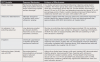
Although few studies compare SPIT protocols, it is well-established that diligent, frequent biofilm removal around implants is essential to establish peri-implant health. Instrumentation for SPIT has been reported with a variety of instruments in the armamentarium.17 Proposed protocols have included the use of implant-safe manual scalers and curettes, those that have less hardness than titanium implant surfaces but with sufficient sharpness to remove hard and soft deposits.6 Plastic or other non-metal implant instruments are gentler on titanium surfaces, but they are less efficient at removing tenacious deposits.19 In an in-vitro artificial calculus study on rough titanium surfaces, use of a Teflon (plastic) curette resulted in a -25.7% reduction in plaque compared with a -71.6% reduction when a titanium curette was used and -91.4% and -100% reductions with the use of ultrasonic scalers and air-powder abrasion, respectively.20 Other instruments for SPIT include ultrasonic scalers with specialized implant inserts, air-polishing with glycine or erythritol, and waterjet irrigation. Published protocols assessed in a recent review17 consistently highlight the importance of effective mechanical biofilm disruption. For example, implant debridement with both implant curettes and ultrasonic scalers and glycine air-polishing show similar short-term pocket-depth improvements and pro-inflammatory cytokine suppression through 12 months post-treatment.7,21 Implant sites treated with ultrasonic scaling with implant-specific tips/inserts demonstrated higher numbers of sites without bleeding on probing (BOP) compared to air polishing at one year.21 Other studies have demonstrated that the use of air-polishing was more likely to maintain peri-implant health compared to the use of curettes.22 These findings point to the importance of disrupting dysbiotic biofilm, regardless of the mechanical treatment used, is sufficient to drive favorable host response and maintain health.1,16,17
Adjunctive treatments, including chemical adjuncts and laser treatments, have also shown additional short-term clinical improvements in some studies, but they are not consistently superior to thorough mechanical debridement alone.17 From an efficiency standpoint, ultrasonics and air-polishing are often favored for speed and access around prosthetic contours, whereas hand curettes provide tactile control and surface caution but can be more technique- and time-dependent.18 These findings indicate that when biofilm is below a critical level, host immune response may result in long-term stability and health of peri-implant tissues. In practice, clinicians should prioritize debridement with individualized frequency, armamentarium, and adjunctive treatments, with specific SPIT modalities selected based on operator experience, risk factors, and clinical findings.22
When choosing implant instruments, selection should aim to minimize surface alteration while demonstrating maximum efficiency. Standard stainless-steel instruments can scratch titanium, whereas non-metal instruments, gold and titanium scalers, and air abrasives cause less implant surface change. Surface alteration should be avoided, as increased surface macro-roughness can increase plaque retention and make future biofilm removal more difficult, increasing the risk of recurrent inflammation. Accordingly, many maintenance protocols favor implant-safe hand instruments and/or ultrasonic devices fitted with implant-safe tips when powered instrumentation is used. Clinicians should also recognize the tradeoffs between various implant instruments. Plastic instruments may reduce implant surface alteration, but they are less efficient in biofilm removal and can be bulkier, limiting submucosal access compared with other implant-specific curettes and powered devices. In practice, clinicians should prioritize effective debridement, selecting the armamentarium and any adjuncts based on access, operator experience, patient risk factors, and clinical findings.23
Clinical decision-making: SPIT interval
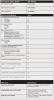
When determining the frequency of SPIT intervals, it is critical that dental healthcare professionals utilize a personalized approach taking into account each patient’s individual risk profile.5 Recommendations for SPIT intervals include examination and treatment every 3 to 4 months for patients with peri-implant mucositis under active surveillance and for patients after peri-implantitis treatment. Intervals of 5 to 6 months have been proposed for patients with healthy implants or those with a history of peri-implant mucositis who require less active surveillance, with intervals reassessed after the first year.8 Further, in patients who demonstrate risk factors for the development of peri-implant diseases, including history of periodontitis, smoking, moderate-poorly controlled diabetes mellitus, obesity, and inadequate biofilm control, SPIT intervals of 3 to 4 months or less are recommended. Site-level and prosthetic factors (e.g., implant malposition, unfavorable prosthetic design/cleansability, and suboptimal soft-tissue phenotype) have also been proposed as a rationale for shorter SPIT intervals.8
As shown in Table 3, SPIT recall frequency can be selected using a two-step, risk-based process that accounts for both current peri-implant status and aggregate risk factors. Notably, initial peri-implant disease status overrides the score: patients after peri-implantitis treatment and those with peri-implant mucositis under active surveillance should be scheduled on a 3- to 4-month SPIT interval, with the interval reassessed after the first year. Second, for patients with stable tissues/less active surveillance, clinicians can apply a risk-based decision matrix.8 Clinicians can select risk indicator categories (e.g., smoking, diabetes control, periodontal history, plaque levels, prosthesis cleansability, tissue phenotype) that apply to each patient and then sum the assigned points to generate an overall risk score. Based on pre-determined thresholds, patients are classified as low risk (<6), intermediate risk (6–10), or high risk (>10). Low-risk patients with stable peri-implant tissues may be maintained on 5- to 6-month intervals. Intermediate-risk patients are typically best managed on 3- to 4-month intervals (especially during the first year). High-risk patients require 3-month or more frequent intervals. This approach also aligns with the Academy of Osseointegration/American Academy of Periodontology (AO/AAP) emphasis on shorter recalls for higher-risk or closely monitored cases.26 This table provides a stepwise framework for clinical evaluation of patients with dental implants to determine individualized peri-implant maintenance protocols. For each patient, clinicians should assess implant diagnosis (health, mucositis, or peri-implantitis) to establish a baseline range for supportive implant therapy. Practitioners can then identify patient and site-specific risk-factors and stratify the specific risk level, (e.g., cigarette consumption, dysglycemia and HbA1c level, and/or periodontitis history). Such risk factors may indicate a rationale to reduce SPIT intervals. Within this risk assessment, points are associated with each risk factor, and a final score may be calculated, which can be used to estimate overall peri-implant disease risk and guide implant maintenance intervals. Curtis and colleagues suggest that low risk (<6 points), intermediate risk (6–10 points), and high risk (>10 points) indicate need for SPIT therapy frequency of 5 to 6 months, 3 to 4 months, and ≤ 3 months, respectively. The lower interval (i.e., either disease status or risk factor) should be employed to best mitigate risk of peri-implant disease development or progression. Lastly, clinicians should employ a dynamic approach to risk assessment and continually reassess local and systemic risk factors and revise SPIT intervals, if necessary.
Within SPIT appointments, patient visits should include: (1) review of relevant medical and dental findings, (2) comprehensive peri-implant clinical assessment, (3) radiographic assessment to monitor peri-implant bone levels at least annually, (4) oral-hygiene assessment and coaching, and (5) professional supra- and submucosal biofilm disruption using appropriate implant-compatible instruments (Figure 1).6,15,26 In maintaining dental implant health, dental healthcare professionals and patients are co-practitioners and both professional maintenance and diligent daily oral home care are required to maintain health.
Conclusions
As dental implant treatment becomes more and more commonplace, preventing peri-implant diseases is essential for ensuring long-term function, esthetics, and patient quality of life.17 Because peri-implant mucositis can rapidly progress to peri-implantitis if left untreated, early detection and timely intervention should be prioritized in every implant patient.9 SPIT serves as a practical, high-impact strategy to promote health and prevent peri-implant disease through systematic removal and disruption of dysbiotic biofilm. Such biofilm removal limits inflammation before irreversible tissue breakdown occurs.16 Evidence consistently shows that regular maintenance lowers the incidence of peri-implant mucositis and peri-implantitis and supports implant survival over time.8 While protocols should vary based on individual patient needs, the most consistent driver of success is meticulous mechanical biofilm disruption performed with implant-compatible instruments selected to minimize surface alteration and maximize efficacy.8 It is also critical that SPIT is paired with individualized patient education and hands-on coaching that enhances patient-delivered plaque control at home.9 Finally, SPIT intervals should be tailored to implant disease status and risk factors, reinforcing that long-term implant health is a shared responsibility between clinician and patient through ongoing monitoring, maintenance, and self-care.9
About the Authors
Dedrian R. Barrett, DMD
Periodontology Resident
Department of Periodontology
University of Alabama at Birmingham, School of Dentistry
Birmingham, Alabama
Maninder Kaur, BDS, MPH, MS
Associate Professor, Predoctoral Periodontal
Program Director
Department of Periodontology
University of Alabama at Birmingham,
School of Dentistry
Birmingham, Alabama
Maria L. Geisinger, DDS, MS
Diplomate
American Board of Periodontology
Professor and Chair, Department of Periodontology
University of Alabama at Birmingham, School of Dentistry
Birmingham, Alabama
References
1. American Dental Association. The importance of isolation to patient safety and predictable outcomes [PDF]. Accessed December 14, 2025. https://pages.ada.org/hubfs/Lead%20Gen/Zirc%20November%202018/Zirc%20E-book%20v7.pdf
2. American College of Prosthodontists. Facts & figures. GoToAPro. Accessed December 14, 2025. https://www.gotoapro.org/facts-figures/
3. Caton JG, Armitage G, Berglundh T, et al. A new classification scheme for periodontal and peri-implant diseases and conditions—Introduction and key changes from the 1999 classification. J Clin Periodontol. 2018;45(suppl 20):S1-S8.
4. Reissmann DR, Dard M, Lamprecht R, Struppek J, Heydecke G. Oral health-related quality of life in subjects with implant-supported prostheses: A systematic review. J Dent. 2017;65:22-40.
5. Carra MC, Blanc-Sylvestre N, Courtet A, Bouchard P. Primordial and primary prevention of peri-implant diseases: A systematic review and meta-analysis. J Clin Periodontol. 2023;50(suppl 26):77-112.
6. Monje A, Aranda L, Diaz KT, et al. Impact of maintenance therapy for the prevention of peri-implant diseases: A systematic review and meta-analysis. J Dent Res. 2016;95(4):372-379.
7. Wong YN, Raja Awang RA, Hassan A. Effects on the titanium implant surface by different hygiene instrumentations: A narrative review. Cureus. 2022;14(10):e30884.
8. Wang HL, Avila-Ortiz G, Monje A, et al. AO/AAP consensus on prevention and management of peri-implant diseases and conditions: Summary report. J Periodontol. 2025;96(6):519-541.
9. Salvi GE, Aglietta M, Eick S, et al. Reversibility of experimental peri-implant mucositis compared with experimental gingivitis in humans. Clin Oral Implants Res. 2012;23(2):182-190.
10. Heitz-Mayfield LJA, Salvi GE. Peri-implant mucositis. J Periodontol. 2018;89(suppl 1):S257-S266.
11. Worthington HV, MacDonald L, Poklepovic Pericic T, et al. Home use of interdental cleaning devices, in addition to toothbrushing, for preventing and controlling periodontal diseases and dental caries. Cochrane Database Syst Rev. 2019;4:CD012018.
12. Setti P, Testori T, Tallarico M, Weinstein R. Angled implant brush for hygienic maintenance of full-arch fixed implant prostheses: A pilot study. Int J Environ Res Public Health. 2020;17(19):7166.
13. Allocca G, Farina R, Sgaramella N, Cafiero C, Lombardo L. Effectiveness and compliance of an oscillating-rotating toothbrush in patients with dental implants: A randomized clinical trial. Int J Implant Dent. 2018;4(1):35.
14. Shuto T, Yamaguchi Y, Matsubara M, Inage H, Kanno T. Alterations to titanium surface depending on the fluorides and abrasives in toothpaste. Materials (Basel). 2022;15(2):402.
15. Zellmer IH, Couch ET, Berens L, Curtis DA. Dental hygienists’ knowledge regarding dental implant maintenance care: A national survey. J Dent Hyg. 2020;94(6):6-15.
16. Lin CY, Chen Z, Pan WL, Wang HL. The effect of supportive care in preventing peri-implant diseases and implant loss: A systematic review and meta-analysis. Clin Oral Implants Res. 2019;30(8):714-724.
17. Roccuzzo M, Layton DM, Roccuzzo A, Heitz-Mayfield LJA. Clinical outcomes of peri-implantitis treatment and supportive care: A systematic review. Clin Oral Implants Res. 2018;29(suppl 16):S331-S350.
18. Lin GH, Chambrone L, Rajendran Y, Avila-Ortiz G. Treatment of peri-implant mucositis: An AAP/AO systematic review and meta-analysis. Int J Oral Maxillofac Implants. 2025;40(suppl 1):S49-S72.
19. Wingrove SS. Peri-Implant Therapy for the Dental Hygienist. 2nd ed. John Wiley & Sons; 2022.
20. Gehrke SA, Boligon J, Shibli JA. Evaluation of the cleaning and alterations in titanium surfaces with different mechanical instruments using an artificial calculus. Oral Health Dent Manag. 2014;13(4):1030-1033.
21. Ji YJ, Tang ZH, Wang R, et al. Effect of glycine powder air-polishing as an adjunct in the treatment of peri-implant mucositis: A pilot clinical trial. Clin Oral Implants Res. 2014;25(6):683-689.
22. Araújo TG, Moreira CS, Neme RA, Luan H, Bertolini M. Long-term implant maintenance: A systematic review of home and professional care strategies in supportive implant therapy. Braz Dent J. 2024;35:e246178.
23. Menezes KM, Fernandes-Costa AN, Silva-Neto RD, Calderon PS, Gurgel BCV. Efficacy of 0.12% chlorhexidine gluconate for non-surgical treatment of peri-implant mucositis. J Periodontol. 2016;87(11):1305-1313.
24. Porras R, Anderson GB, Caffesse R, Narendran S, Trejo PM. Clinical response to 2 different therapeutic regimens to treat peri-implant mucositis. J Periodontol. 2002;73(10):1118-1125.
25. Aimetti M, Mariani GM, Ferrarotti F, Ercoli E, Liu CC, Romano F. Adjunctive efficacy of diode laser in the treatment of peri-implant mucositis with mechanical therapy: A randomized clinical trial. Clin Oral Implants Res. 2019;30(5):429-438.
26. Curtis DA, Lin GH, Fishman A, et al. Patient-centered risk assessment in implant treatment planning. Int J Oral Maxillofac Implants. 2019;34(2):506-520.
27. Berglundh T, Armitage G, Araújo MG, et al. Peri-implant diseases and conditions: Consensus report of workgroup 4 of the 2017 World Workshop on the Classification of Periodontal and Peri-Implant Diseases and Conditions. J Periodontol. 2018;89(suppl 1):S313-S318.