You must be signed in to read the rest of this article.
Registration on CDEWorld is free. Sign up today!
Forgot your password? Click Here!
Glucagon-like peptide-1 receptor agonist (GLP-1ra) and dual GLP-1ra/glucose-dependent insulinotropic polypeptide receptor agonist (GIPR) medications have rapidly transformed the management of obesity and type 2 diabetes mellitus, moving from specialized endocrine therapies to widely prescribed agents in general medical practice.1 Semaglutide, liraglutide, and tirzepatide are now frequently encountered in dental settings, reflecting both the rising prevalence of obesity and the effectiveness of these pharmacologic approaches.2–4 As their use expands, dental professionals increasingly care for patients whose systemic physiology, oral environments, and procedural risk profiles are directly influenced by these drugs.5 GLP-1ra and GLP-1ra/GIPR medications exert multifactorial effects that extend well beyond appetite suppression, influencing insulin secretion, glucagon suppression, gastric emptying, central nervous system appetite regulation, taste perception, salivary gland function, and inflammatory pathways.6–9 These effects support weight loss and metabolic control, but also influence oral health, including periodontal health and caries rates, and can impact dental treatment planning.9–11 Given the relative novelty of these agents in routine clinical use, many dental providers remain unfamiliar with their mechanisms of action, common adverse effects, and implications for chairside decision making and treatment.12 A clear understanding of how these medications work, how they may alter oral tissues and patient risk, and how dental care should be adapted is essential for safe and effective clinical practice by all dental healthcare providers.
Weight Loss Medication Mechanisms of Action and Systemic Effects
GLP-1ra and Dual Agonist
(GLP-1ra/GIPR) Pharmacology
GLP-1 is an incretin hormone derived from the post-translational processing of proglucagon and released from intestinal L cells in response to nutrient intake.1,7,13 Its physiological role is to augment glucose-dependent insulin secretion, suppress glucagon release, slow gastric emptying, and promote satiety.8,14 Unlike older antidiabetic agents, GLP-1-mediated insulin release occurs primarily when blood glucose levels are elevated, which results in a relatively low intrinsic risk of hypoglycemia when these drugs are used as monotherapy.15,16 Endogenous GLP-1 has a very short half-life due to rapid degradation by dipeptidyl peptidase-4 (DPP-4).1,6,10 Synthetic GLP-1ra medications were developed to resist rapid enzymatic breakdown, allowing sustained receptor activation with daily or weekly dosing.8,17 GLP-1 receptors are widely expressed throughout the body, including pancreatic beta cells, the gastrointestinal tract, central nervous system, cardiovascular tissues, kidneys, and salivary glands.7,9,10,13 This widespread receptor expression explains both the therapeutic benefits and the systemic side effects observed with these medications.18,19
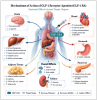
Dual agonists such as tirzepatide were developed to target both the GLP-1 and GIP receptors.20 By simultaneously activating these complementary incretin pathways, dual agonists produce greater weight loss and glycemic improvements than GLP-1ra medications alone.8,18 Tirzepatide, for example, has demonstrated mean weight reductions of 15.5% to 17.6% in clinical trials, compared to 11.8% and 4.6% for GLP-1ra medications, semaglutide, and liraglutide, respectively, in non-diabetic adults with obesity.14,18 Additionally, daily oral semaglutide formulations have demonstrated greater reduction in HbA1c and injectable semaglutide demonstrated a greater reduction in weight in patients with Type 2 diabetes mellitus, although these differences were not statistically significant.21 It should be noted that enhanced efficacy of dual agonists or alternative formulations may also be associated with increased adverse gastrointestinal and/or sensory effects that are relevant to dental care.22 Figure 1 illustrates mechanisms of action of GLP-1 receptor agonists.
Incretin Systemic Effects
Relevant to Oral Health
GLP-1 receptor activation slows gastric motility through vagal and enteric mechanisms, increasing gastric retention and prolonging satiety.23 Early in treatment or during dose escalation, this effect is often accompanied by nausea, vomiting, or gastroesophageal reflux.24 Recurrent exposure of the dentition to gastric acid during emesis or reflux creates a well-recognized risk for intrinsic dental erosion, particularly on palatal and lingual enamel surfaces, with subsequent hypersensitivity and restorative challenges.11,25 Appetite suppression and gastrointestinal side effects may also reduce fluid intake or increase fluid losses.26 When combined with blunted thirst perception associated with GLP-1ra drugs, this can result in transient or persistent dehydration.24,27 Clinically, patients may report dry mouth, thick or frothy saliva, or difficulty swallowing.27 Although reported prevalence is relatively low, between 1% and 3% for various incretin medications, these symptoms can be significant for individual patients.22 Mawardi and colleagues described a case series of semaglutide-associated hyposalivation where medication-induced quantitative salivary flow reduction improved after dose modification or supportive therapy, such as saliva substitution and/or sialagogues.49
Emerging evidence suggests direct effects of GLP-1 signaling on salivary gland tissue. Experimental models indicate that altered GLP-1 and DPP-4 activity can promote oxidative stress, epithelial apoptosis, and impaired secretory function within the major salivary glands.10 These mechanisms align with clinical observations of reduced salivary volume and altered consistency.28,29 Sustained hyposalivation compromises buffering capacity, antimicrobial activity, and mechanical cleansing, increasing the risk of caries, dental erosion, gingival inflammation, periodontal disease, oral candidiasis, and peri-implant complications.11,25
Taste perception is another underappreciated impact of GLP-1 therapies and oral health. GLP-1 is produced locally within taste buds and GLP-1 receptors are expressed on adjacent gustatory nerve fibers.25,27,30 GLP-1 signaling modulates sweet and umami taste sensitivity, influencing ingestive behavior.31 Clinically, some patients report dysgeusia or altered food preferences, which may indirectly affect dietary patterns, sugar exposure, and cariogenic risk.32
According to recently reported data, GLP-1ra medications may also be associated with increased risk of osteoporosis and gout.33 GLP-1ra use has been associated with a 30% increase in osteoporosis prevalence.34 Given that osteoporosis has been associated with increased periodontitis prevalence and disease progression, dental implant failure, and increased tooth loss,35,36 assessment of bone mineral density and osteoporosis/osteopenia status in patients taking these medications is warranted during overall patient assessments.37,38
Oral Physiology and
Adverse Effects
Salivary Gland Function
and Xerostomia
GLP-1-based therapies can cause xerostomia (dry mouth) and hyposalivation, though the reported prevalence is relatively low (approximately 1% in tirzepatide trials and up to 2% to 3% in post-marketing surveillance for semaglutide and liraglutide).22,26,28 The American College of Lifestyle Medicine, the American Society for Nutrition, the Obesity Medicine Association, and the Obesity Society recognize xerostomia as a possible side effect, but do not consider it a major clinical concern at present.26 However, it should be noted that it has been reported that approximately 50% reduction in salivary flow must occur prior to patient report of dry mouth symptoms, so patient report alone may not be sufficient to identify all cases of hyposalivation.39 Mechanistically, medication-induced xerostomia may occur independently of objective reductions in salivary flow, and its onset is typically within the first weeks of treatment.40 Saliva plays a critical role in oral health, including buffering acids, remineralization of enamel, facilitating digestion and taste, and providing immune defense.11 Xerostomia is also associated with increased oral biofilm accumulation and enhanced biofilm dysbiosis.41 Any reduction in salivary function, including both patient-reported and quantitative, has important implications for oral health, including increased risk of dental caries, dental erosion, gingivitis severity,42 and periodontitis43 and oral mucosal alterations.11,25,44
Taste Perception and
Dietary Patterns
GLP-1ra medications significantly impair taste perception. In a case-control study using the Waterless Empirical Taste Test (WETT®), individuals taking GLP-1ra drugs scored significantly lower across all five basic taste qualities (sweet, salty, sour, bitter, umami) compared to matched controls, with 85% of GLP-1ra users exhibiting diminished taste function.29 The physiologic basis for this effect may involve GLP-1 receptors in the brainstem and afferent taste pathways, as well as vagal modulation.29,31 A large cross-sectional survey found that 21% of GLP-1ra users reported increased sweet taste perception and 23% reported increased salty taste perception during therapy, which was associated with increased satiety, decreased appetite, and reduced food craving.32 These changes may reduce the hedonic value of food, decrease cravings, and contribute to appetite suppression, but may also lead to changes in food selection, potentially favoring foods with stronger flavors, higher salt or sugar content, or different textures.30,45 Observational studies in populations with xerostomia and orofacial pain have shown that individuals with dry mouth report differences in intake of prepared fruit, alcohol, ice cream, and liquid snacks, as well as reduced general appetite and enjoyment of eating.32 These changes may be subtle but can affect overall nutritional status and well-being, increased cariogenic diet, and possible long-term consequences for oral and systemic health.14,20,31
Dental Erosion and Caries Risk
Delayed gastric emptying and associated nausea or vomiting increase the risk of intrinsic dental erosion, particularly on palatal and lingual enamel surfaces.23 Recurrent exposure to gastric acid during emesis or reflux can lead to hypersensitivity and restorative challenges.11 Xerostomia further compromises buffering capacity and mechanical cleansing, increasing the risk of caries, dental erosion, gingival inflammation, and oral candidiasis.25 The prevalence of dental erosion in GLP-1ra users has not been systematically quantified, but mechanistic rationale and case reports support clinical vigilance.23,26,28 The American Dental Association highlights that chronic xerostomia significantly increases the risk of dental caries, demineralization, tooth sensitivity, candidiasis, and other oral diseases.25
Periodontal and Cariologic Implications
Periodontal Health and Inflammation
GLP-1ra therapies may confer indirect benefits to periodontal health. Improved glycemic control is consistently associated with reduced periodontal inflammation and improved treatment outcomes in patients with diabetes.9,46 GLP-1ra medications exert systemic anti-inflammatory effects, including significant reductions in circulating C-reactive protein (CRP), tumor necrosis factor-alpha (TNF-α), interleukin-6 (IL-6), interleukin-1β (IL-1β), and leptin, as well as increases in adiponectin.47,48 In vitro and animal evidence indicates that GLP-1ra drugs enhance osteogenic differentiation of periodontal ligament stem cells, promote bone regeneration, and attenuate periodontal inflammation and oxidative stress even under hyperglycemic or inflammatory conditions, findings that align with retrospective clinical data showing significantly reduced marginal bone loss in peri-implantitis patients treated with GLP-1ras compared with insulin or metformin therapy (p < 0.01).9 These effects appear to be partly independent of glycemic control, suggesting direct anti-inflammatory and oral osteoprotective actions.10
Xerostomia represents an important periodontal consideration for patients on GLP-1ra therapy, as dry mouth has been reported as an adverse effect of these medications, particularly with semaglutide.29,49 Xerostomia is indirectly related to gingival inflammation through increased dental plaque accumulation, with studies demonstrating significant associations between dry mouth and bleeding on probing. Hyposalivation in patients with periodontal disease is associated with reduced mucosal wetness, lower pH values, and elevated gingival inflammatory markers, including TNF-α.50 The severity of periodontal disease correlates with decreased salivary flow rates and lower pH levels, with severe periodontitis patients showing flow rates as low as 0.28 mL/min.51 For patients on incretin medications experiencing xerostomia, enhanced preventive strategies are essential and should include both enhanced biofilm removal and biofilm modification strategies.
Cariologic Outcomes and Preventive Strategies
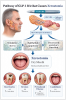
Direct evidence regarding the impact of GLP-1ra therapies on dental caries risk is limited.52 Improved glycemic control and reduced systemic inflammation may indirectly lower caries risk in patients with diabetes, given the established relationship between hyperglycemia, xerostomia, and increased caries susceptibility.53 GLP-1ra medications are known to decelerate gastric emptying and reduce appetite, which may influence dietary patterns and oral exposure to fermentable carbohydrates, but these effects have not been directly studied in relation to caries outcomes.24,26,27 Preventive strategies include dietary counseling, topical fluoride applications, saliva substitutes or stimulants, and more frequent recall visits when indicated.26,32,54 Figure 2 depicts proposed pathway of incretin medication-associated xerostomia and oral sequelae.
Clinical Management and Emergency Considerations
Risk Assessment and Chairside Management
For dental teams, a thorough medical history should include specific inquiry about GLP-1ra or dual agonist use, dosing schedule, recent dose escalation, gastrointestinal symptoms, and associated medications such as insulin or sulfonylureas.15,16,27 Patients reporting dry mouth, salivary changes, and/or taste modification should be monitored closely for mucosal changes, caries activity, erosion, and periodontal inflammation.23,25 To address increases in risk associated with oral dryness, clinicians may recommend intensified oral hygiene practices with increased brushing and interdental cleaning frequency, regular professional dental cleanings, daily topical fluoride application (particularly stannous fluoride formulations which provide both anticaries and antimicrobial benefits), antimicrobial rinses such as chlorhexidine when indicated, mechanical salivary stimulants including sugar-free gum, adequate hydration, and consideration of saliva substitutes or sialagogues in consultation with the prescribing physician.11,25 It is also important to note that personalized preventative strategies based upon individualized risk should be employed to target high risk patients. For example, in older adults at caries risk include quarterly topical fluoride varnish with demonstrated risk reduction and low number needed to treat, adjunctive use of silver diamine fluoride for root caries prevention, and empiric recommendation of saliva substitutes or stimulants for xerostomia, including in GLP-1ra users, despite limited direct clinical evidence in this population.55,56
The American Diabetes Association recommends annual dental examinations for individuals with diabetes and close coordination between medical and dental teams to optimize glucose-lowering therapy and treatment planning before and after dental procedures.57 This collaboration is particularly critical for patients using insulin, sulfonylureas, or meglitinides, as dental professionals must be aware of glycemic targets, medications, comorbidities, and fasting-related hypoglycemia risk.58
Medical Emergencies and Sedation Safety
GLP-1ra medications have a favorable safety profile, but rare medical emergencies must be considered. Immediate hypersensitivity reactions, including urticaria, angioedema, and anaphylaxis, have been reported in post-marketing surveillance, particularly with exenatide, liraglutide, and semaglutide.26,28 A history of atopy (a predisposition to hypersensitivity reactions such as eczema, allergic rhinitis, or food allergies) or multiple drug allergies may increase risk, requiring dental teams to be prepared to promptly recognize and manage acute allergic reactions with airway support, intramuscular epinephrine, and timely medical referral.59
Hypoglycemia is uncommon with GLP-1ra monotherapy due to its glucose-dependent mechanism, but hypoglycemia risk increases when combined with insulin or sulfonylureas and may be precipitated by prolonged dental appointments, fasting, delayed meals, or postoperative nausea, particularly in older adults or patients with renal impairment.57,58,60,61 Early recognition of hypoglycemia symptoms such as sweating, tremors, confusion, or behavioral changes and prompt treatment with fast-acting carbohydrates or parenteral glucose is essential.16,58,59
Delayed gastric emptying has important implications for dental treatment. These procedures are often performed with an unprotected airway, making aspiration a critical concern.23,24 Emerging endoscopy data indicate that patients using semaglutide may retain significant gastric contents despite adherence to standard fasting guidelines, with increased residual material visible in the stomach after standard fasting protocols compared to non-users (19% to 56% vs. 5% to 20%).61,62 These findings challenge the assumption that conventional fasting recommendations reliably ensure an empty stomach in this population.22
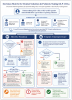
The American Society of Anesthesiologists (ASA) recommends avoiding use of daily-dose GLP-1ra medications on the day of the procedure and weekly-dose agents for at least 7 days prior to elective procedures requiring sedation, regardless of the indication or dose.63 It is further recommended that clinicians screen patients taking GLP-1ra or dual agonist medications seeking sedation procedures for signs of gastrointestinal distress, including nausea, vomiting, and/or GERD and avoiding elective cases should these symptoms be present on the day of the procedure. Further, as gastrointestinal symptoms are more common during the initiation and escalation phases, clinicians should avoid scheduling elective cases using sedation during such times and consultation with the prescribing physician for all patients reporting use of GLP-1ra or dual agonists is recommended.58 If medications were taken prior to surgery, clinicians should proceed with “full stomach” precautions, which may include endotracheal intubation or postponement of elective procedures, which may require scheduling in hospital or outpatient operating room settings rather than a dental clinic.64 For patients requiring urgent/emergent care who are taking GLP-1ra medications for diabetic control, the British Journal of Anaesthesia suggests that most patients can continue GLP-1ra medications before surgery, but those at high risk for gastrointestinal should follow a 24-hour clear liquid diet prior to sedation/anesthesia.61 Point-of-care gastric ultrasonography has emerged as a useful tool for assessing residual gastric contents in patients on GLP-1ra medications prior to sedation or anesthesia, allowing for individualized risk assessment and management.66 In practice, in the dental office, many of these emergency protocols and/or advanced screening techniques may not be readily available. Therefore, clinicians should proceed with sedation in such patients with caution and insist upon confirmation of medication avoidance for appropriate intervals prior to dental sedation cases (Figure 3).
Conclusion and Future Directions
GLP-1ra and dual GIPR/GLP-1ra therapies represent a paradigm shift in the medical management of obesity and diabetes, with direct and indirect consequences for oral health and dental care delivery.1,13,18,67 Their effects on gastric motility, salivary function, taste perception, metabolism, and inflammatory pathways intersect with core domains of dental practice, from caries and periodontal disease to sedation safety.12,23, 26,46 For dental professionals, the essential take-home messages are clear. First, understanding the mechanisms of these medications provides insight into both their benefits and risks.7,9 Second, proactive identification and management of oral manifestations such as xerostomia, erosion, and altered dietary behaviors are critical to maintaining oral health.56 Third, thoughtful modification of clinical protocols, particularly for long appointments and sedation, is necessary to ensure patient safety.61,62,67 As use of these therapies continues to grow, integrating this knowledge into routine dental care will be increasingly important.
Current guidelines from medical societies such as the American Diabetes Association, the American College of Lifestyle Medicine, the American Society for Nutrition, the Obesity Medicine Association, and the Obesity Society provide comprehensive recommendations for systemic management, nutritional assessment, and emergency preparedness, but do not include structured oral health monitoring protocols for patients treated with GLP-1ra drugs.16,57,68 There is a recognized gap in the literature and clinical practice regarding the integration of dental surveillance into the management of patients taking GLP-1ra medications.12 Until such protocols are well-established, clinicians should specifically question patients about their use of GLP-1-based drugs and assess patients who report use for potential oral health-related side effects, including xerostomia, taste changes, dental erosion, caries, and periodontal diseases.9,10,23 Dental healthcare professionals can aid their patients in promoting their oral and overall health by providing individualized counseling and preventive care, such as dietary counseling, topical fluoride, saliva substitutes, and modified sedation protocols.25–27,56 Lastly, interdisciplinary and interprofessional collaboration to allow for consultation and monitoring is critically important for patients who may be starting GLP-1-based therapies, particularly patients with pre-existing oral health vulnerabilities or those reporting oral adverse events.25–27,57
References
1. Kushner RF, Jastreboff AM, Ryan DH. Current and Future Medications for Obesity Treatment. JAMA. 2025;334:1551-1552.
2. Jastreboff AM, Kushner RF. New Frontiers in Obesity Treatment: GLP-1 and Nascent Nutrient-Stimulated Hormone-Based Therapeutics. Annu Rev Med. 2023;74:125-139.
3. Furman BL. The development of Byetta (exenatide) from the venom of the Gila monster as an anti-diabetic agent. Toxicon. 2012;59:464-471.
4. D’Alessio D. Is GLP-1 a hormone: Whether and When? J Diabetes Investig. 2016;7:50-55.
5. Trujillo J. Safety and tolerability of once-weekly GLP-1 receptor agonists in type 2 diabetes. J Clin Pharm Ther. 2020;45:43-60.
6. Tschöp M, Nogueiras R, Ahrén B. Gut hormone-based pharmacology: novel formulations and future possibilities for metabolic disease therapy. Diabetologia. 2023;66:1796-1808.
7. Avogaro A, Fadini GP. Incretins and the cardiovascular system: bridging digestion with metabolism. Lancet Diabetes Endocrinol. 2025;13:790-802.
8. Campbell JE, et al. GIPR/GLP-1R dual agonist therapies for diabetes and weight loss–Chemistry, Physiology and Clinical application. Cell Metab. 2023;35:1519-1529.
9. Ahmad P, Estrin N, Farshidfar N, Zhang Y, Miron RJ. Glucagon-Like Peptide 1 Receptor Agonists (GLP-1RAS) Improve Periodontal and Peri-Implant Health in Type 2 Diabetes Mellitus. J Periodontal Res. 2025;60:450-465.
10. Gheonea TC, et al. Dipeptidyl-Peptidase-4 and Glucagon-like-Peptide-1, a Link in the Connection between Periodontitis and Diabetes Mellitus—What Do We Know So Far?—A Scoping Review. J Clin Med. 2024;13:903.
11. Stoopler ET, Villa A, Bindakhil M, Díaz DLO, Sollecito TP. Common Oral Conditions: A Review. JAMA. 2024;331:1045-1054. Erratum in: JAMA. 2025 Aug 12;334(6):545.
12. Sibal R, Balamurugan G, Langley J, Graham Y, Mahawar K. Macronutrient, Micronutrient Supplementation and Monitoring for Patients on GLP-1 Agonists: Can We Learn from Metabolic and Bariatric Surgery? Nutrients. 2025;17:3659.
13. Liu Z, et al. The Clinical Application of GLP-1RAs and GLP-1/GIP Dual Receptor Agonists Based on Pharmacological Mechanisms: A Review. Drug Des Devel Ther. 2025;19:10383-10409.
14. Alfaris N, et al. GLP-1 single, dual, and triple receptor agonists for treating type 2 diabetes and obesity: a narrative review. eClinicalMedicine. 2024;75:102782.
15. Davies MJ, et al. Management of Hyperglycemia in Type 2 Diabetes, 2022. A Consensus Report by the American Diabetes Association (ADA) and the European Association for the Study of Diabetes (EASD). Diabetes Care. 2022;45:2753-2786.
16. Blonde L, et al. American Association of Clinical Endocrinology Clinical Practice Guideline: Developing a Diabetes Mellitus Comprehensive Care Plan—2022 Update. Endocr Pract. 2022;28:923-1049.
17. Klen J, Dolžan V. Glucagon-like Peptide-1 Receptor Agonists in the Management of Type 2 Diabetes Mellitus and Obesity: The Impact of Pharmacological Properties and Genetic Factors. Int J Mol Sci. 2022;23:3451.
18. Zamanian N, et al. The efficacy and safety of glucagon-like peptide-1 receptor agonists in non-diabetic adults with overweight/obesity: An umbrella review of systematic reviews and meta-analyses. Eur J Pharmacol. 2025;1003:177966.
19. Iqbal J, et al. Effect of glucagon-like peptide-1 receptor agonists on body weight in adults with obesity without diabetes mellitus—a systematic review and meta-analysis of randomized control trials. Obes Rev. 2022;23:e13435.
20. Wen J, et al. Next generation dual GLP-1/GIP, GLP-1/glucagon, and triple GLP-1/GIP/glucagon agonists: a literature review. Nutr Metab Cardiovasc Dis. 2025;35:104213.
21. Pinto M, Brennan L, Diehl K, Lin S, Heacock S. Real-World Comparison of Oral Versus Injectable Semaglutide for the Reduction of Hemoglobin A1C and Weight in Patients with Type 2 Diabetes. J Pharm Technol. 2025;41:22-31.
22. Ismaiel A, et al. Gastrointestinal adverse events associated with GLP-1 RA in non-diabetic patients with overweight or obesity: a systematic review and network meta-analysis. Int J Obes (Lond). 2025;49:1946-1957.
23. Jalleh RJ, et al. Gastrointestinal effects of GLP-1 receptor agonists: mechanisms, management, and future directions. Lancet Gastroenterol Hepatol. 2024;9:957-964.
24. Saha B, Kamalumpundi V, Codipilly DC. GLP1 and GIP Receptor Agonists: Effects on the Gastrointestinal Tract and Management Strategies for Primary Care Physicians. Mayo Clin Proc. 2025;100:2228-2236.
25. Plemons JM, Al-Hashimi I, Marek CL. Managing xerostomia and salivary gland hypofunction. J Am Dent Assoc. 2014;145:867-873.
26. Mozaffarian D, et al. Nutritional priorities to support GLP-1 therapy for obesity: a joint Advisory from the American College of Lifestyle Medicine, the American Society for Nutrition, the Obesity Medicine Association, and The Obesity Society. Am J Clin Nutr. 2025;122:344-367.
27. Mehrtash F, Dushay J, Manson JE. Integrating Diet and Physical Activity When Prescribing GLP-1s—Lifestyle Factors Remain Crucial. JAMA Intern Med. 2025;185:1151-1152.
28. Khan FI, et al. Otolaryngologic Side Effects of GLP-1 Receptor Agonists. Laryngoscope. 2025;135:2291-2298.
29. Khan R, Doty RL. GLP-1 receptor agonists significantly impair taste function. Physiol Behav. 2025;291:114793.
30. Martin B, et al. Modulation of taste sensitivity by GLP-1 signaling in taste buds. Ann N Y Acad Sci. 2009;1170:98-101.
31. Jensterle M, et al. Glucagon-like peptide-1, a matter of taste? Rev Endocr Metab Disord. 2021;22:763-775.
32. Kapan A, Moser O, Felsinger R, Waldhoer T, Haider S. Real-world insights into incretin-based therapy: Associations between changes in taste perception and appetite regulation in individuals with obesity and overweight: A cross-sectional study. Diabetes Obes Metab. 2025;27:5008-5018.
33. Gatto A, Liu K, Milan N, Wong S. The Effects of GLP-1 Agonists on Musculoskeletal Health and Orthopedic Care. Curr Rev Musculoskelet Med. 2025;18:469-480.
34. Kasher Meron M, Hornik-Lurie T, Twig G, Rotman-Pikielny P. GLP-1 receptor agonists and the risk of fragility fractures in older adults with type 2 diabetes. J Clin Endocrinol Metab. 2026 Jun 17;111(7):1949-1958.
35. Geurs NC. Osteoporosis and periodontal disease. Periodontol 2000. 2007;44:29-43.
36. Yu B, Wang C. Osteoporosis and periodontal diseases – An update on their association and mechanistic links. Periodontol 2000. 2022;89:99-113.
37. Damanaki A, Habel ML, Deschner J. Association of Osteoporosis with Tooth Loss and Dental Radiomorphometric Indices. Biomedicines. 2024;12:2886.
38. Giro G. Impact of osteoporosis in dental implants: A systematic review. World J Orthop. 2015;6:311.
39. American Dental Association. Xerostomia (Dry Mouth). Accessed June 25, 2026. https://www.ada.org/resources/ada-library/oral-health-topics/xerostomia.
40. Aliko A, et al. World Workshop on Oral Medicine VI: clinical implications of medication-induced salivary gland dysfunction. Oral Surg Oral Med Oral Pathol Oral Radiol. 2015;120:185-206.
41. Pei X-M, Zhou L-X, Tsang M-W, Tai WC-S, Wong S-CC. The Oral Microbial Ecosystem in Age-Related Xerostomia: A Critical Review. Int J Mol Sci. 2024;25:12815.
42. Chapple ILC, et al. Periodontal health and gingival diseases and conditions on an intact and a reduced periodontium: Consensus report of workgroup 1 of the 2017 World Workshop on the Classification of Periodontal and Peri-Implant Diseases and Conditions. J Periodontol. 2018 Jun;89 Suppl 1:S74-S84.
43. Tangsumroengvong P, Pimolbutr K, Nopparattanakant N, Lowpradit P, Tansriratanawong K. The Association between Dry Mouth and the Periodontal Status in Older Adults Undergoing Supportive Periodontal Therapy. Eur J Dent. 2026;20:226-235.
44. Talha B, Swarnkar SA. Xerostomia. In: StatPearls. StatPearls Publishing; 2025.
45. Sigurðsson K, Andersen BV, Bendixen KH, Baad-Hansen L. Are orofacial pain and xerostomia associated with differences in diet, sensory perception, appetite and enjoyment of eating?—An explorative study. J Oral Rehabil. 2024;51:703-711.
46. Ren Y, et al. The effect of GLP-1 receptor agonists on circulating inflammatory markers in type 2 diabetes patients: A systematic review and meta-analysis. Diabetes Obes Metab. 2025;27:3607-3626.
47. Chen J, et al. GLP-1 receptor agonist as a modulator of innate immunity. Front Immunol. 2022;13:997578.
48. Malik J, Roohi N. GLP-1, a powerful physiological incretin: an update. J Biol Regul Homeost Agents. 2018;32:1171-1176.
49. Mawardi HH, et al. Semaglutide-associated hyposalivation: A report of case series. Medicine (Baltimore). 2023;102:e36730.
50. Acar B, et al. Mucosal Wetness, Hyposalivation, and Local Defense in Periodontal Inflammation. Oral Dis. 2025;31:2551-2563.
51. Lăzureanu PC, et al. Saliva pH and Flow Rate in Patients with Periodontal Disease and Associated Cardiovascular Disease. Med Sci Monit. 2021 Jul 26;27:e931362.
52. Yeo D, et al. Efficacy and safety of glucagon-like peptide 1 receptor agonists across all health outcomes in type 2 diabetes: An umbrella review and evidence map of randomised controlled trials. Diabetes Obes Metab. 2026;28:1136-1149.
53. Katz G. Efficacy, Safety, and Future of GLP-1 Receptor Agonists: A Systematic Literature Review and Meta-Analysis. Horm Metab Res. 2025;57:326-337.
54. Elmaleh-Sachs A, et al. Obesity Management in Adults: A Review. JAMA. 2023;330:2000-2015.
55. Chou R, et al. Screening, Referral, Behavioral Counseling, and Preventive Interventions for Oral Health in Adults: A Systematic Review for the US Preventive Services Task Force. JAMA. 2023 Nov 14;330(18):1780-1790.
56. US Preventive Services Task Force, et al. Screening and Preventive Interventions for Oral Health in Adults: US Preventive Services Task Force Recommendation Statement. JAMA. 2023;330(18):1773–1779.
57. American Diabetes Association Professional Practice Committee. 4. Comprehensive Medical Evaluation and Assessment of Comorbidities: Standards of Care in Diabetes-2025. Diabetes Care. 2025;48(suppl 1):S59-S85.
58. Long B, Pelletier J, Koyfman A, Bridwell RE. GLP-1 agonists: A review for emergency clinicians. Am J Emerg Med. 2024;78:89-94.
59. Kunutsor SK, Seidu S. Safety and Tolerability of Glucagon-Like Peptide-1 Receptor Agonists: A State-of-the-Art Narrative Review. Drugs. 2026;86:11-36.
60. American Diabetes Association Professional Practice Committee. 16. Diabetes Care in the Hospital: Standards of Care in Diabetes-2025. Diabetes Care. 2025;48(suppl 1):S321-S334.
61. Van Zuylen ML, et al. Perioperative management of long-acting glucagon-like peptide-1 (GLP-1) receptor agonists: concerns for delayed gastric emptying and pulmonary aspiration. Br J Anaesth. 2024;132:644-648.
62. Chang MG, Ripoll JG, Lopez E, Krishnan K, Bittner EA. A Scoping Review of GLP-1 Receptor Agonists: Are They Associated with Increased Gastric Contents, Regurgitation, and Aspiration Events? J Clin Med. 2024 Oct 23;13(21):6336.
63. Umpierrez G, Pasquel FJ, Duggan E, Galindo RJ. Should We Stop Glucagon-Like Peptide-1 Receptor Agonists Before Surgical or Endoscopic Procedures? Balancing Limited Evidence With Clinical Judgment. J Diabetes Sci Technol. 2025;19:1128-1131.
64. Hashash JG, Thompson CC, Wang AY. AGA Rapid Clinical Practice Update on the Management of Patients Taking GLP-1 Receptor Agonists Prior to Endoscopy: Communication. Clin Gastroenterol Hepatol. 2024;22:705-707.
65. Sen S, et al. Glucagon-Like Peptide-1 Receptor Agonist Use and Residual Gastric Content Before Anesthesia. JAMA Surg. 2024;159(6):660–667.
66. Celletti F, Farrar J, De Regil L. World Health Organization Guideline on the Use and Indications of Glucagon-Like Peptide-1 Therapies for the Treatment of Obesity in Adults. JAMA. Published online 2025. doi:10.1001/jama.2025.24288
67. Mizubuti GB, Ho AM-H, Silva LMD, Phelan R. Perioperative management of patients on glucagon-like peptide-1 receptor agonists. Curr Opin Anaesthesiol. 2024;37:323-333.
68. Nadolsky K, et al. American Association of Clinical Endocrinology Consensus Statement: Algorithm for the Evaluation and Treatment of Adults with Obesity/Adiposity-Based Chronic Disease - 2025 Update. Endocr Pract. 2025;31:1351-1394.
Felipe Damerau
Ouriques, DMD, MSc, MS
Private Practice Limited to Periodontics
Lubbock, Texas
Maria L. Geisinger, DDS, MS
Diplomate, American Board of Periodontology
Professor and Chair, Department
of Periodontology, University
of Alabama at Birmingham,
School of Dentistry
Birmingham, Alabama